
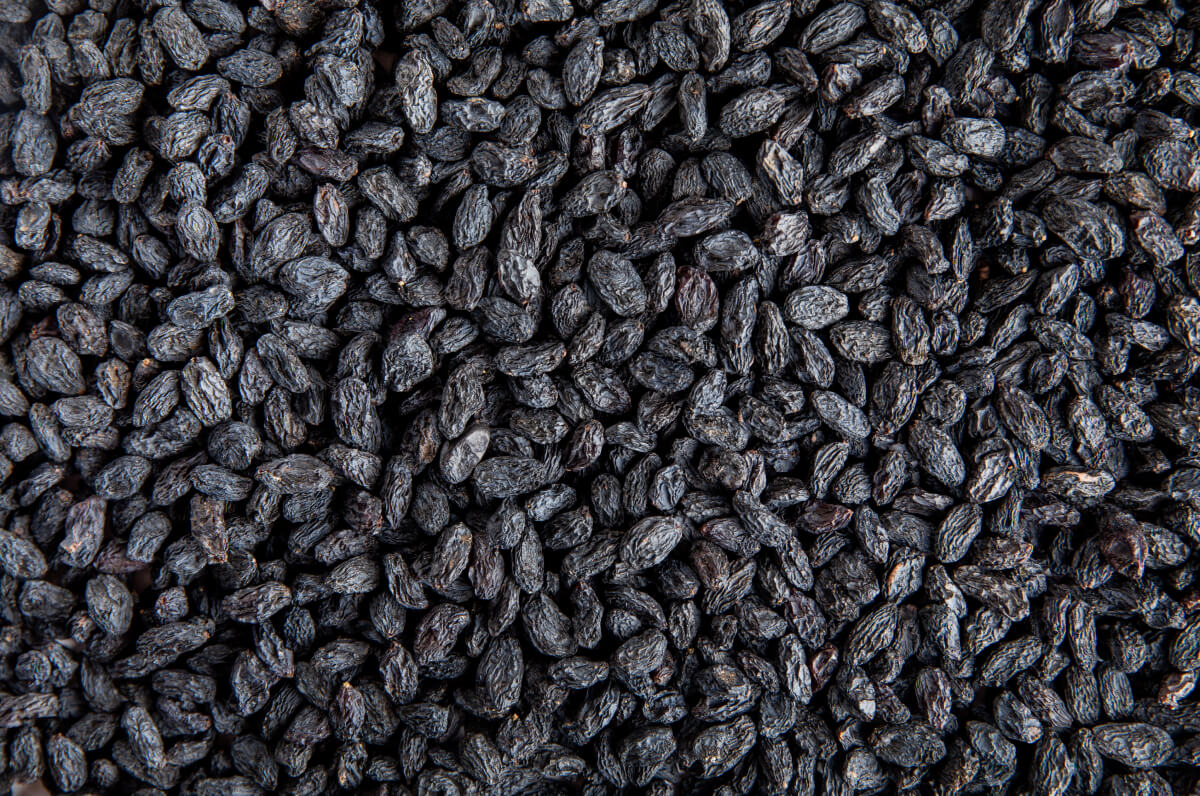

Introduction Raisin production, like all agriculture, has an impact on the environment. In this blog, we will discuss how raisin production affects the environment and what steps are being taken to reduce this impact.
Water Usage Grape cultivation requires a significant amount of water. However, many vineyards are adopting water-saving techniques such as drip irrigation to use water more efficiently.
Pesticides and Chemicals The use of pesticides and chemicals in grape farming can harm the environment. Organic farming practices, which avoid synthetic pesticides, are becoming more popular as a way to reduce this impact.
Soil Health Maintaining healthy soil is crucial for sustainable agriculture. Practices like crop rotation and the use of cover crops help improve soil health and reduce erosion.
Energy Consumption Drying grapes to make raisins uses energy. Some producers are turning to solar energy and other renewable sources to power their operations, reducing their carbon footprint.
Waste Management Raisin production generates waste, such as stems and seeds. Many producers are finding ways to recycle or compost this waste, turning it into a resource rather than a problem.
Conclusion Raisin production does have an environmental impact, but there are many ways to reduce it. By choosing sustainably produced raisins, you can help support a healthier planet.